ERSE Integration
Field researchers, local organizations, and the tools built here should become immediately useful rather than remaining speculative.
Our mission is not only to remember the Carolina parakeet. It is to use that loss as pressure toward present-tense conservation, habitat repair, and transparent ecological decision-making. The question is not simply whether we can bring something back, but whether we are willing to protect what still remains. Advocacy begins there: in turning extinction from a historical event into a living responsibility.
Field researchers, local organizations, and the tools built here should become immediately useful rather than remaining speculative.
Computational models rank habitat resilience, ecological pressure, and reintroduction viability under explicit assumptions.
De-extinction framing is linked directly to current forest retention, anti-trafficking, and conservation support programs.
Direct routes into support, from funding habitat protection to opening the ERSE platform and inspecting the science itself.
ERSE is the computational core for evaluating whether landscapes in the American Southeast are actually capable of sustaining avian recovery. It compares habitat quality, ecological stress, and restoration readiness in a way that can be audited instead of merely admired.
That matters for advocacy because the platform stops being rhetoric and becomes a public instrument. It shows where optimism is justified, where it collapses, and what interventions would materially improve the outcome for living parrots now.
"The science is a public-facing instrument, not a hidden backend."
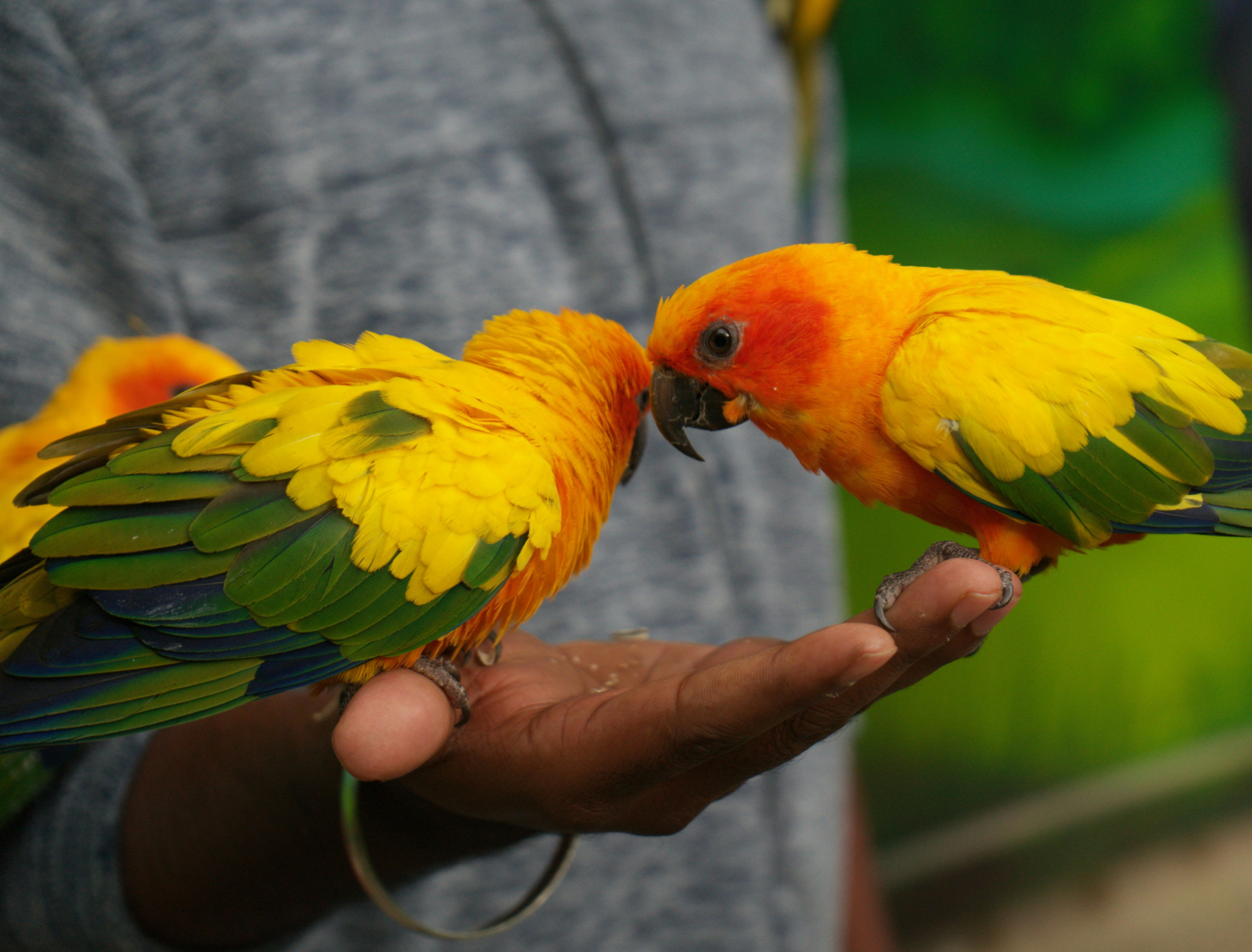
The Sun Conure is not a symbolic stand-in. It is a living species under pressure, and this platform treats its protection as a primary outcome. The same analytical rigor used for de-extinction planning should immediately benefit extant parrots.
By linking field monitoring with ERSE planning, the platform keeps habitat corridors, nest-site protection, trade suppression, and data-linked intervention inside present-tense conservation work rather than future speculation.
We are actively connecting field biologists, avian veterinarians, habitat stewards, anti-trafficking organizations, and regional community leaders into one practical Sun Conure conservation network. The goal is coordination, not isolated effort.
Monitoring teams and restoration specialists help convert habitat and movement data into practical conservation priorities across the Sun Conure range.
Clinical and welfare expertise strengthens intervention planning so rehabilitation, translocation, and population support strategies stay biologically grounded.
Habitat stewards, anti-trafficking groups, and regional community leaders keep response capacity, local knowledge, and policy pressure moving together.
Public interest has value only when it translates into measurable conservation outcomes for extant parrots, habitat protection, and durable scientific infrastructure.
Prioritize organizations securing forest and wetland landscapes for long-term biodiversity outcomes rather than short campaign cycles.
Field conservation succeeds when local researchers, stewards, and communities are resourced as primary actors instead of peripheral partners.
Do not normalize untraceable bird markets. Pressure on trade and enforcement is still one of the clearest interventions available now.
Open ERSE, inspect the assumptions, and treat the science as a public-facing instrument rather than a hidden technical backend.